
For years, Taiwan has depended on migrant workers to keep its factories running, its buildings standing, and its elderly cared for. But a long standing policy is now under intense scrutiny. The 12 to 14 year work limit for blue collar migrant workers has become a flashpoint issue, sparking protests, advocacy campaigns, and hard questions about fairness, labor rights, and Taiwan’s future workforce.
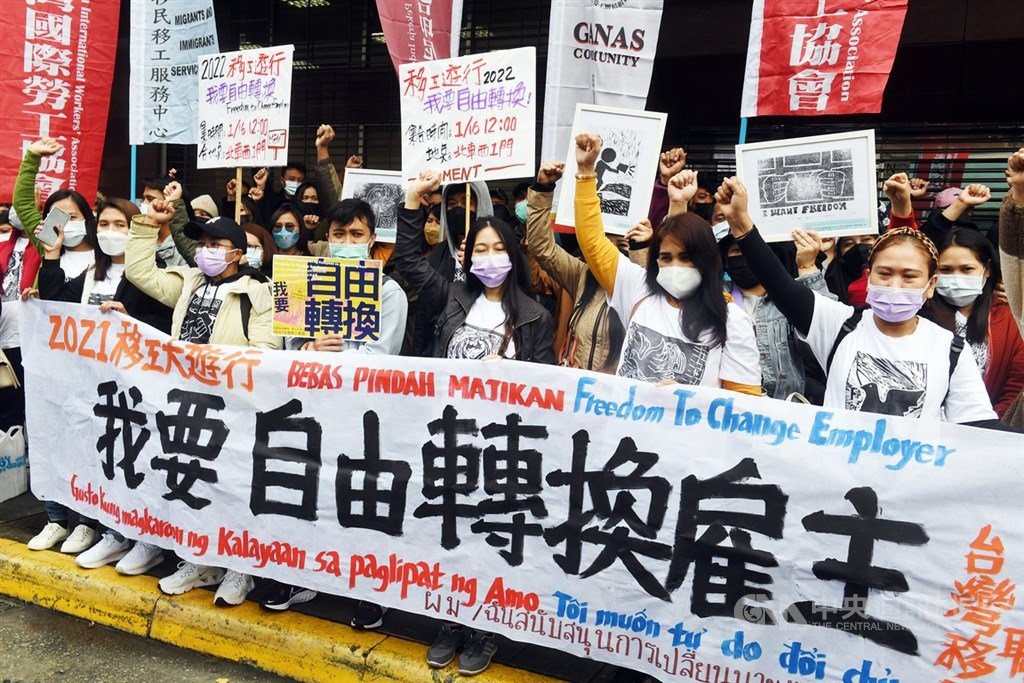
What was once a quiet rule in the background is now front page news, amplified by rallies in Taipei and growing pressure from migrant communities and labor groups.
What Is the 12–14 Year Work Limit
Under current policy, blue collar migrant workers in Taiwan face a hard cap on how long they can legally work in the country.
- Construction and manufacturing workers are limited to 12 years
- Caregivers and domestic workers can stay up to 14 years
Once workers reach this limit, they must leave Taiwan, regardless of their experience, job performance, or personal ties to the country.
This rule affects a massive population. Taiwan is home to around 800,000 migrant workers, most from Southeast Asia, including the Philippines, Indonesia, Vietnam, and Thailand. Many arrive in their twenties or thirties and spend over a decade contributing to Taiwan’s economy.
Why Workers Call the Policy Discriminatory
One of the strongest criticisms is the double standard baked into the system.
Since 1997, white collar foreign professionals in Taiwan have no work year limit. Engineers, executives, and specialists can stay as long as they meet visa and employment requirements.
Blue collar workers do not have that option.
Advocacy groups like the Migrant Empowerment Network in Taiwan, or MENT, argue that this creates a clear divide. Workers doing physically demanding and socially essential jobs are treated as disposable, while others are allowed to build long term lives.
Many migrant workers describe the experience in painful terms. After years of paying taxes, learning the language, and forming friendships, they feel they are simply “thrown away” when the clock runs out.
The December 7 Rally That Brought National Attention
The issue reached a new level of visibility on December 7, 2025, when around 1,000 migrant workers and supporters marched in Taipei under the banner “Abolish the work year limit”.
The protest was both emotional and symbolic.
Participants carried mock bombs and lanterns to represent the ticking clock of the policy. Each year closer to the limit feels like a countdown, with no certainty about the future.
Speakers shared personal stories. Caregivers spoke about elderly patients they had cared for longer than some family members. Factory workers described training new hires again and again, only to be forced out once they became truly skilled.
The message was clear. This was not just about visas. It was about dignity and belonging.
The Government’s Answer and Why Critics Are Not Satisfied
In 2022, Taiwan introduced the Long term Retention of Skilled Foreign Workers program. On paper, it sounds like a solution. Workers classified as “intermediate skilled” can stay indefinitely and even bring family members.
In reality, very few qualify.
After three and a half years, only 4.7 percent of migrant workers were able to secure this status. One major reason is that eligibility depends heavily on employer discretion. Employers decide whether to nominate workers, recommend skill upgrades, or support applications.
Advocates argue this creates new risks. Workers may feel pressured to accept poor conditions, unpaid overtime, or unfair treatment just to stay in their employer’s good graces.
Because of this, many groups describe the program as deceptive. It offers hope, but only to a small fraction, while leaving most workers in the same vulnerable position.
A Policy That May Be Hurting Taiwan Itself
Beyond human rights, critics point to economic consequences.
Taiwan faces a growing labor shortage, especially in caregiving and manufacturing. Forcing experienced workers to leave after 12 or 14 years means companies must constantly recruit and train new staff.
This cycle is expensive and inefficient. It also weakens service quality, particularly in caregiving, where trust and long term relationships matter.
Workers at the rally argued that abolishing the cap would actually reduce illegal overstays. Many who hit the limit choose to remain underground, working without protection, because returning home after building a life in Taiwan feels impossible.
From this view, the policy creates the very problems it claims to prevent.
A Question of Values and Identity
Taiwan often presents itself as a democracy that values human rights and inclusion. Advocacy groups argue the work year limit does not align with those values.
International labor standards increasingly emphasize mobility, equality, and long term integration. A hard time cap based on job category feels out of step with that direction.
For many migrant workers, the issue is simple. They are not asking for special treatment. They are asking to be judged by the same standards as others. Work well. Follow the law. Contribute to society. Stay.
What Advocates Are Demanding Now
The call from the streets is direct.
Abolish the work year limit entirely.
Not expand it. Not adjust it slightly. Not replace it with selective programs that depend on employer power.
Advocates believe removing the cap would stabilize Taiwan’s workforce, reduce exploitation, and reflect the reality that migrant workers are no longer temporary stopgaps. They are part of Taiwan’s social and economic fabric.
Why This Debate Is Not Going Away
The rallies in Taipei made one thing clear. This is no longer a niche issue.
As Taiwan’s population ages and labor shortages deepen, the question of who gets to stay and who is forced to leave will only grow more urgent.
The 12 to 14 year limit was designed for a different era. Whether it survives this moment of public pressure may shape Taiwan’s labor system for decades to come.