
Using free Mandarin apps for Taiwan OFWs can feel overwhelming. App stores are full of promises, but most tools are not built for real life in Taiwan. OFWs do not need fancy grammar or long lectures. What matters is being understood at work, reading signs and forms, and handling daily tasks without panic.
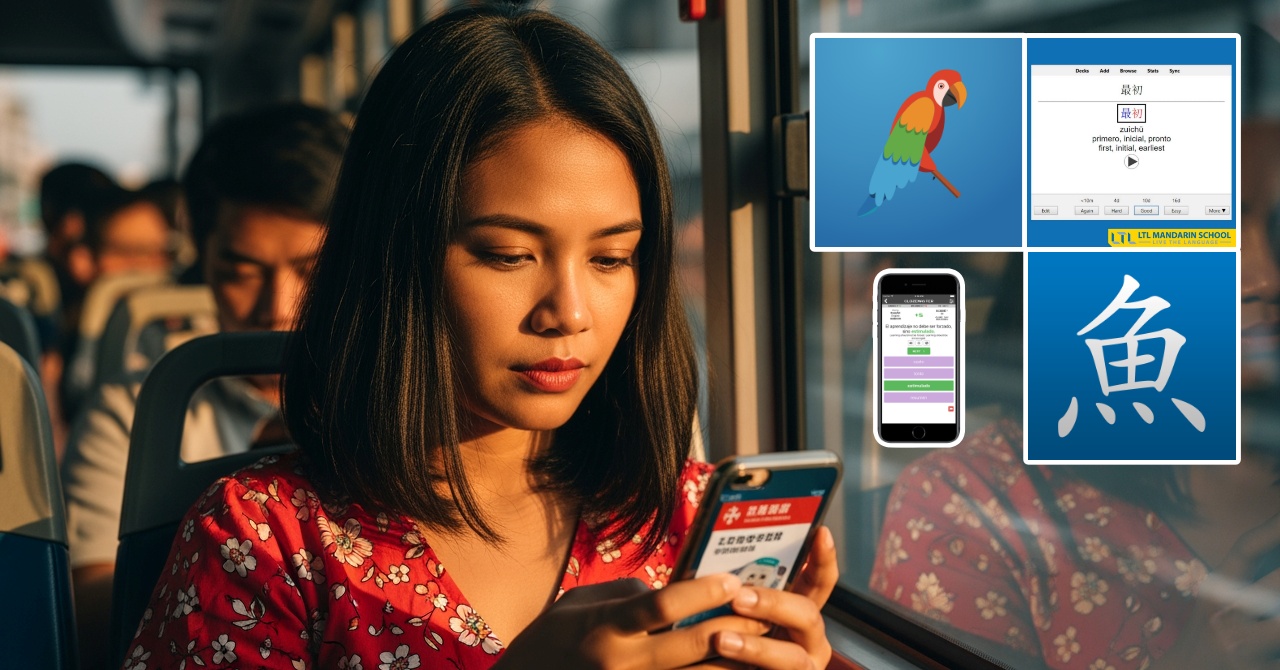
Why Filipinos in Taiwan Need the Right Mandarin Apps
Most public text in Taiwan uses Traditional Chinese. Most daily conversations rely on clear pronunciation, not perfect sentences. Many apps teach Mandarin, but not all of them match Taiwan reality.
For OFWs, the right app should help you:
- Recognize Traditional characters
- Speak clearly enough to be understood
- Study in short bursts
- Translate on the spot at work or outside
That is why choosing the right free Mandarin apps for Taiwan OFWs matters.
Quick Comparison of the Best Free Apps
| App | Best Use | Traditional Characters | Offline Use | Speaking Help | Why It Works Free |
| HelloChinese | Structured starter lessons | Limited | Partial | Basic drills | Easy lessons for fast progress |
| Pleco | Dictionary and translation | Excellent | Yes | Not needed | Best Traditional dictionary |
| Clozemaster | Vocabulary in sentences | Yes | Limited | No | Builds usable words fast |
| Anki | Custom flashcards | Fully flexible | Yes | No | You control what you learn |
| Speechling | Pronunciation practice | Neutral | Partial | Yes | Feedback even on free tier |
HelloChinese: Fast Practice for Busy Schedules
HelloChinese is a good starting point if you feel lost.
Why it helps
- Short lessons
- Clear structure
- Mix of listening, reading, and speaking
You get quick wins without thinking too much about grammar rules.
What to watch out for
The app leans toward Mainland China usage.
- Some lessons default to Simplified characters
- Cultural examples may not match Taiwan
How to make it Taiwan friendly
- Focus on listening and sentence patterns
- Look up the same words in Pleco using Traditional
- Save useful phrases for work and daily life
HelloChinese works best when paired with another tool that anchors you to Taiwan usage.
Pleco: Your Pocket Lifeline in Taiwan
Pleco is not just a dictionary. For many OFWs, it becomes a daily survival tool.
Why it works so well
- Uses Traditional characters by default
- Works offline
- Handles handwriting and camera input
You can point your phone at signs, forms, or labels and understand what they say.
Power tips
- Star important words
- Create flashcards directly inside Pleco
- Use handwriting input for unknown characters
When another app teaches you a word, always check it in Pleco first. It keeps your learning accurate.
Clozemaster: Build Real Life Vocabulary Fast
Clozemaster teaches words through full sentences, not lists.
Why this matters
- You see how words are used
- Vocabulary sticks better
- You can switch to Traditional characters
This is useful for daily phrases like directions, time, and food orders.
Best way to use it
- Do 5 to 10 sentences during breaks
- Focus on survival topics
- Do not rush through too many sessions
Short and steady practice works best.
Anki: Total Control Over What You Learn
Anki is powerful because you decide everything.
Why OFWs love it
- Fully customizable
- Works offline
- Uses spaced repetition
You can build flashcards from your real life.
What to put in your deck
Create a survival deck with:
- Work commands like start, stop, finish
- Safety words and tools
- Admin terms like ARC, bank, dates
- Daily life phrases like food, payments, directions
Time saving tip
- Limit daily reviews
- Tag cards by category
- Add only phrases you actually see or hear
Anki respects your time if you set it up well.
Speechling: Learn to Be Understood
Many OFWs know words but still get asked to repeat.
That is usually a pronunciation issue.
Why Speechling helps
- Focuses on tones and sounds
- Lets you record and get feedback
- Free plan still gives useful coaching
What to practice
- Tricky initials like q, x, j
- Finals like ü, ong, eng
- Common phrases you use at work
Ten minutes a day here often helps more than memorizing new words.
Taiwan Specific Tips So Apps Do Not Mislead You
Choose Traditional First
Taiwan uses Traditional Chinese.
Always check if an app supports it.
Best options:
- Pleco
- Clozemaster
- Anki
Mainland Content Is Still Useful
China focused apps teach core Mandarin well.
Just adapt them using:
- Pleco verification
- Your own Anki deck
Pronunciation Beats Long Word Lists
If people cannot understand you, vocabulary does not matter.
Spend daily time fixing tones and sounds.
Build a Survival Deck Early
Include phrases you need for:
- Work instructions
- Government forms
- Healthcare
- Daily errands
Sample Two Week Micro Plan for OFWs
This plan fits 15 to 25 minutes per day.
Days 1 to 3
- HelloChinese lessons for 10 to 15 minutes
- Pleco lookups for 5 to 10 minutes
- Add 10 work phrases to Anki
Days 4 to 6
- Clozemaster for 10 minutes in Traditional
- Anki review for 10 minutes
- Speechling tone practice for 5 minutes
Days 7 to 9
- HelloChinese speaking drills for 10 minutes
- Speechling recordings for 10 minutes
- Add admin phrases to Anki
Days 10 to 12
- Clozemaster for 10 minutes
- Pleco example sentences to refine Anki cards
Days 13 to 14
- Anki review for 15 minutes
- Speechling for 10 minutes
- Review words from real messages and signs
When to Consider a Paid Upgrade
Stay free as long as possible.
Upgrade only if:
- Pronunciation blocks communication
- You want structured teacher feedback
If you do upgrade, choose Taiwan based tutors who use Traditional characters and local terms.
Best Mandarin App Cheat Sheet
- Best free app to start: HelloChinese with Pleco
- Best dictionary: Pleco
- Fastest way to sound clearer: Speechling
- Best vocabulary builder: Clozemaster
- Most control: Anki
Frequently Asked Questions
Do I need all these apps?
No. Start with HelloChinese and Pleco, then add others as needed.
Can I learn Mandarin while working full time?
Yes. Short daily practice works better than long sessions.
Is Traditional Chinese really necessary?
Yes. Most signs, forms, and notices in Taiwan use Traditional.
How long until I see results?
Many OFWs feel more confident within one to two months.
Conclusion
Using free Mandarin apps for Taiwan OFWs is not about becoming fluent fast. It is about feeling safer, clearer, and less dependent. With the right tools and short daily effort, Mandarin becomes a support, not a wall.